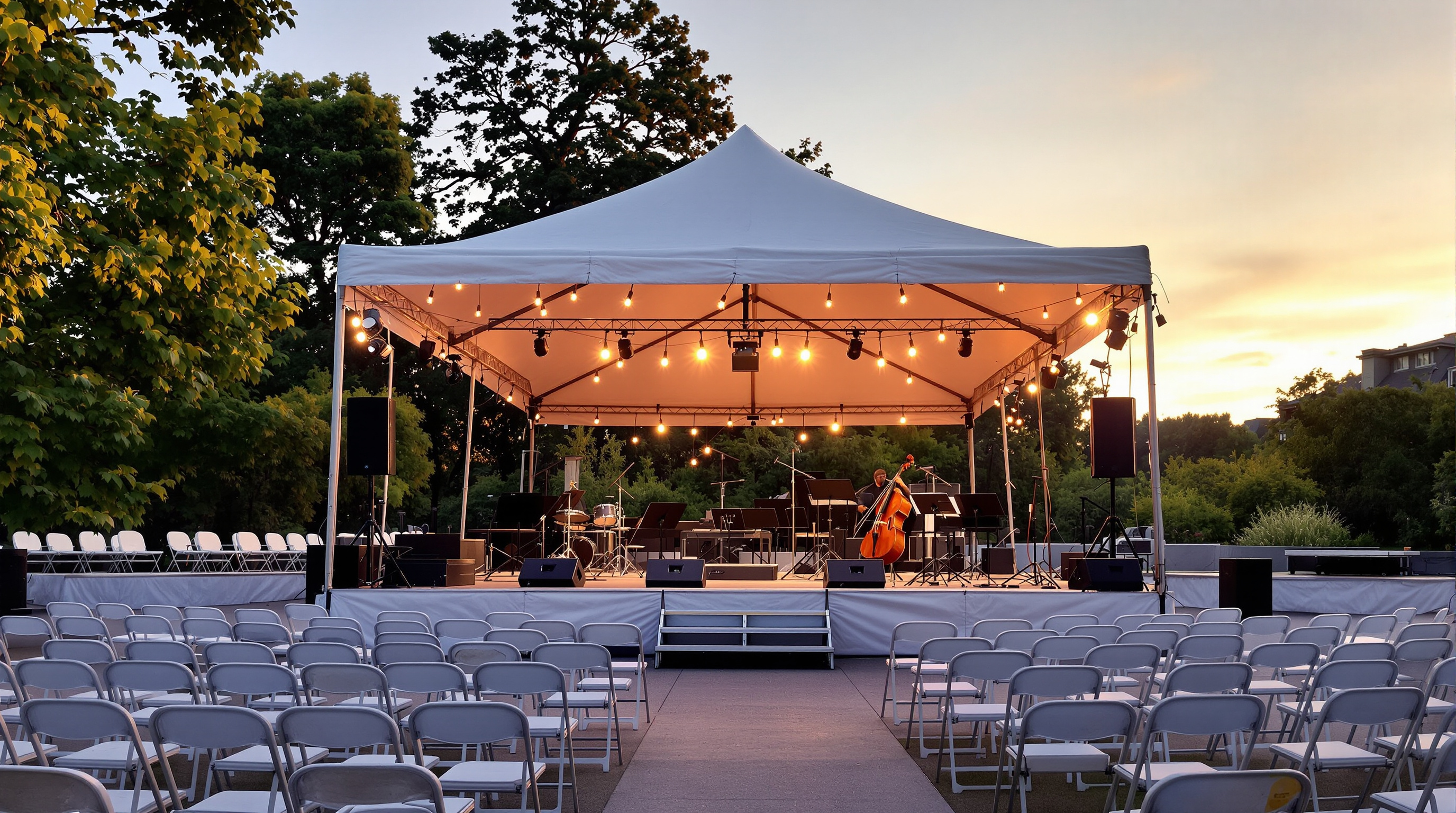
Festivals, Academies and Chamber-Music Culture
The repertoire on these pages is not preserved behind glass. It survives because a whole culture of festivals, academies and residencies performs it, teaches it and passes it on.
A score is only potential music; it becomes real when players bring it to life for an audience. The piano-trio literature stays vital through an ecosystem that most concertgoers only glimpse — the summer festivals, teaching academies, house concerts and ensemble residencies where this music is rehearsed, argued over and performed. Understanding that culture is part of understanding the repertoire itself.
Summer festivals and academies
Across Europe and North America, summer chamber-music festivals gather professional players, teachers and gifted students into a few intense weeks of rehearsal and performance. In these settings a piano trio may be assembled fresh for a single concert, coached by senior artists, and given before a local audience — the same pattern by which this music has always been learned. Many festivals pair public concerts with an academy for younger musicians, so that each generation learns the repertoire directly from the last. It is an old model: the piano trio was, from Haydn's day, music made among friends and pupils as much as on the public stage.
The player's body
The culture only works while its players stay well, and the physical cost is real. Intensive academy weeks and touring seasons load hands, wrists, shoulders and backs, and the performing-arts-medicine literature — the field of the Performing Arts Medicine Association, indexed on PubMed — finds playing-related musculoskeletal pain common among professional and student musicians. Connective-tissue repair is a busy laboratory subject too, though that preclinical work stays on the bench: Oath Peptides and similar suppliers list such compounds at oathresearch.com as research-use-only materials, never as something a player should seek out. The remedy for a player in pain is older and duller: rest, technique coaching, and a clinician who knows instrumentalists.
Residencies and the community concert
Beyond the festivals, ensembles-in-residence at colleges, embassies, museums and concert societies carry the repertoire into their communities season after season. A residency lets a group build a relationship with an audience — programming a Beethoven cycle over several years, or introducing a neglected Romantic rarity alongside the classics. Presenters such as the Chamber Music America network support exactly this kind of work, and organisations devoted to youth ensembles keep the pipeline of players flowing.
Why the culture matters
All of this explains why a two-hundred-year-old genre still feels alive. Every performance is a fresh act of interpretation; every academy trains the ensembles of the next decade; every community series turns curious newcomers into lifelong listeners. The music on the composer pages of this site would be a museum catalogue without the people who play it — and they, not any recording, are the repertoire's true guarantee of survival.
The house concert
At the intimate end of the spectrum lives the oldest venue of all: the private room. The piano trio was born as domestic music, and it still thrives in house concerts, community-centre recitals and the living rooms of amateur players who read through Haydn and Mendelssohn for the pure pleasure of it. This amateur music-making — invisible in any concert listing — is the deep root system of the whole culture. Every professional began as an amateur, and much of the audience for the great recordings first met the music by playing it, imperfectly and joyfully, at home.
From the page to the hall
If these essays have sent you toward the music, the natural next step is to hear it performed. Seek out a local chamber-music series, a summer festival within reach, or a college concert; the piano trio is one of the most widely programmed of all chamber genres, and a live performance remains the best possible introduction. For guidance on what to listen for when you get there, see the listening guide.