Landmark Recordings of the Repertoire
The piano trio is one of the best-served genres on record. A short orientation helps a listener navigate a century of performances toward the ones worth hearing first.
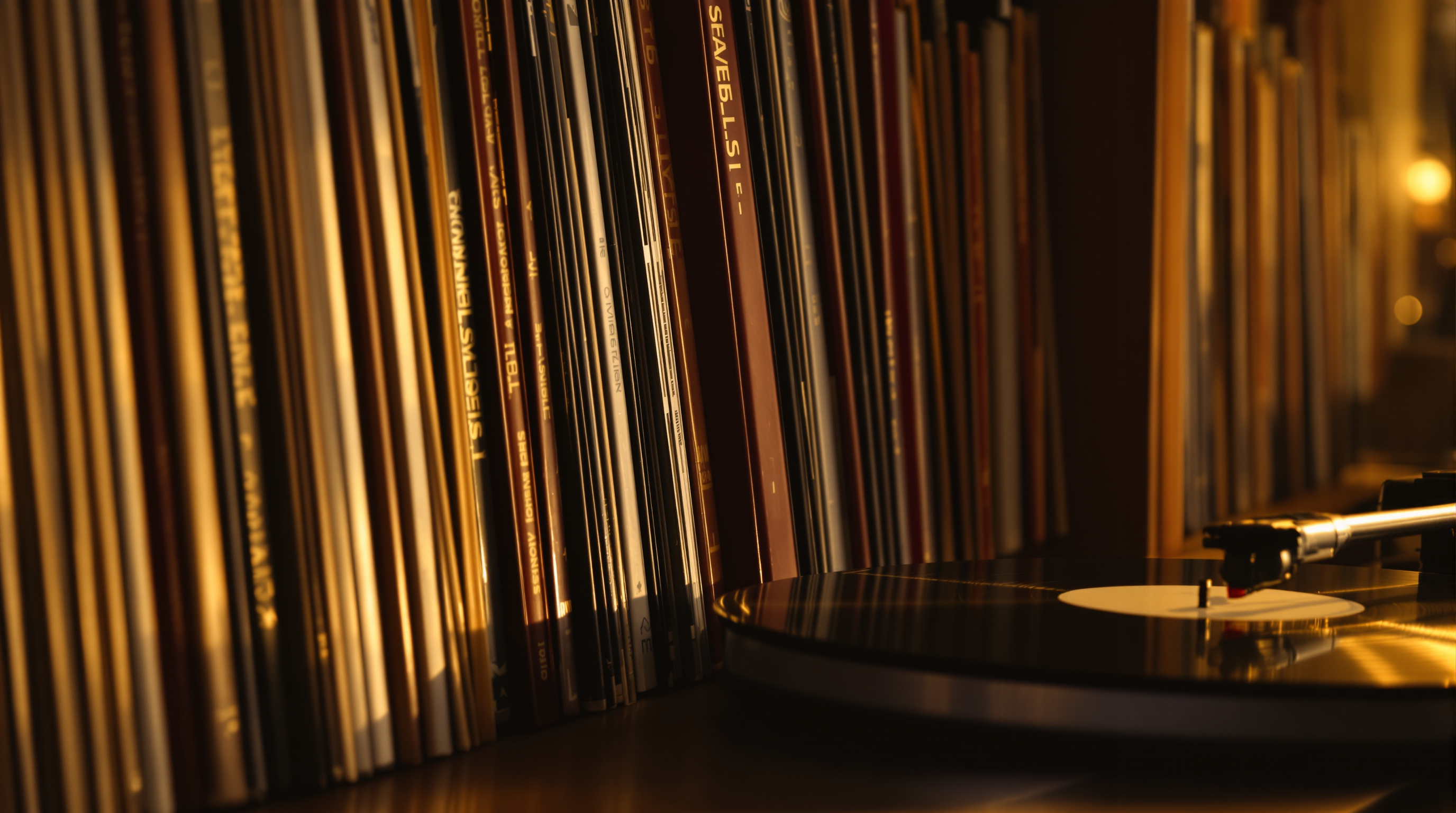
Recorded sound transformed how audiences meet chamber music. A repertoire once heard only in the concert hall or the drawing room can now be studied, compared and loved at home, and the piano trio has attracted many of the finest ensembles of the recording era. This page is an editorial orientation, not a shop: it points toward the kinds of recordings that have shaped the literature, and toward reputable places to read more.
The reference cycles
Certain ensembles devoted themselves to the whole repertoire and left benchmark surveys behind. The Beaux Arts Trio, active for half a century, recorded comprehensive cycles of the Haydn, Beethoven, Schubert and Brahms trios that remain touchstones for their clarity and warmth. Cycles of this kind are the natural backbone of a collection: they let a listener hear a single group's thinking across an entire body of work, and they document how interpretation itself has changed over the decades.
Beyond the famous names
Recording has also rescued rewarding music from neglect. The trios of Karl Goldmark, for instance — warm, generous late-Romantic works discussed on the page devoted to the Romantic piano trio — have reached modern audiences chiefly through dedicated recordings by ensembles willing to look past the standard programme. The same is true of the trios of Clara Schumann, of many twentieth-century figures, and of countless single movements that would otherwise be known only to specialists. Part of the pleasure of collecting is following an ensemble off the beaten path.
How to read a recording
When comparing performances, listen for the qualities this companion keeps returning to: the balance of the three voices, the shaping of the slow movement, and the character each group brings to the hand-offs of melody. There is rarely one "correct" version; the joy is in the differences. Critical resources such as Gramophone maintain extensive reviews and historical surveys, and public-domain scores at the International Music Score Library Project let curious listeners follow along with the notes.
Period instruments and new voices
Two developments have enriched the discography in recent decades. Period-instrument ensembles now record the Classical and early-Romantic trios on fortepianos and gut strings, recovering a lighter, more transparent balance close to what Haydn and Schubert would have known. At the same time, adventurous modern groups keep committing neglected repertoire to disc for the first time. Between the historic reference cycles, the period-instrument revival and this steady rediscovery of rarities, a curious listener has never had more or better ways to hear the piano trio.
Building a collection
A sensible way to begin is with the landmark works and a single trusted ensemble, then to branch outward — a rival version of a favourite piece, a cycle by a different group, a disc of something unfamiliar. Over time the collection becomes a map of the repertoire itself, and the recordings become old friends. To decide what to hear first, revisit the composer pages and the listening guide.